
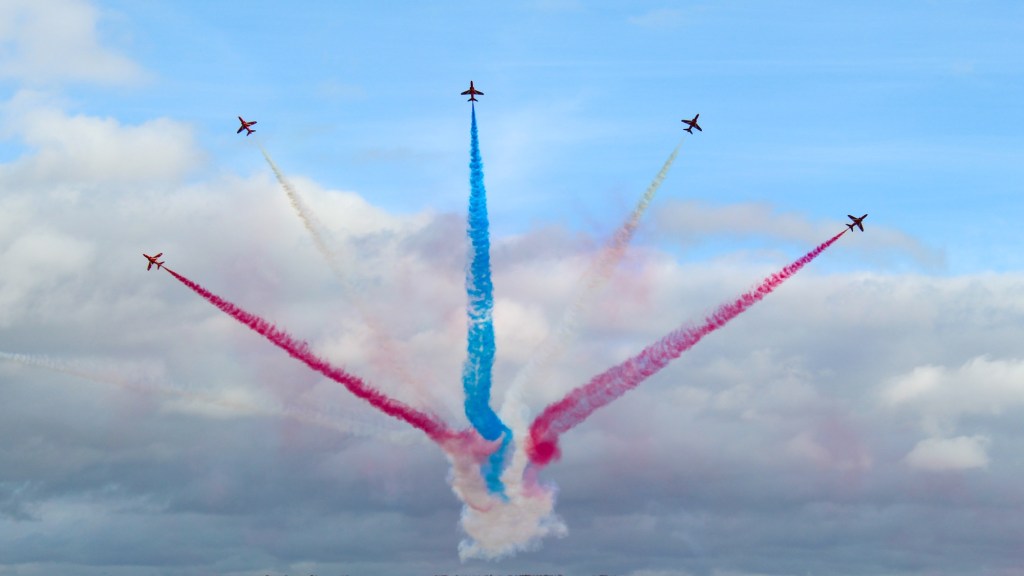
Imperial War Museum Duxford is known for its historic aircraft and seasonal flying days. The Flying Finale was billed as 2025’s crowning event, promising ten displays. Under the grip of Storm Amy, only three made it into the air: the Catalina flying boat, a Eurofighter Typhoon and the Red Arrows.
Safety rightly comes first, but pressing ahead left many questioning value for money. Two tickets cost £80 and, with food, drink and paid access to static aircraft, the total easily exceeded £140. For three displays across seven hours, that felt steep.
Communication compounded the problem. Staff could not confirm when flying would begin and did not mention the standard 1pm to 4pm window. Announcements were lost to the wind and promised social media updates never appeared. A short briefing explaining which aircraft were grounded and why would have helped.
The flying itself was mixed. The Catalina was a rare sight but sedate. The Typhoon delivered the expected speed and noise, while the Red Arrows, flying eight jets, brought their usual precision. Memorable moments, but long gaps between them left the day feeling sparse.
On the ground, period actors added colour, but the site struggled to absorb the crowds. Catering queues stretched and sheltered areas filled quickly. Families had little to fill the downtime. Even small additions such as a carousel or sideshows could have echoed the wartime atmosphere Duxford aims to recreate.
Frustration was not limited to casual visitors. Writing on forums.airshows.co.uk, one attendee said “even a credit of the difference show price and the museum price would have been a gesture of contrition, might have sweetened the sour mood in the crowd.”
Duxford remains a world class museum. This finale, however, risked eroding goodwill. Bad weather was unavoidable. The response was not.
 Colin Cushion
Leave a comment