
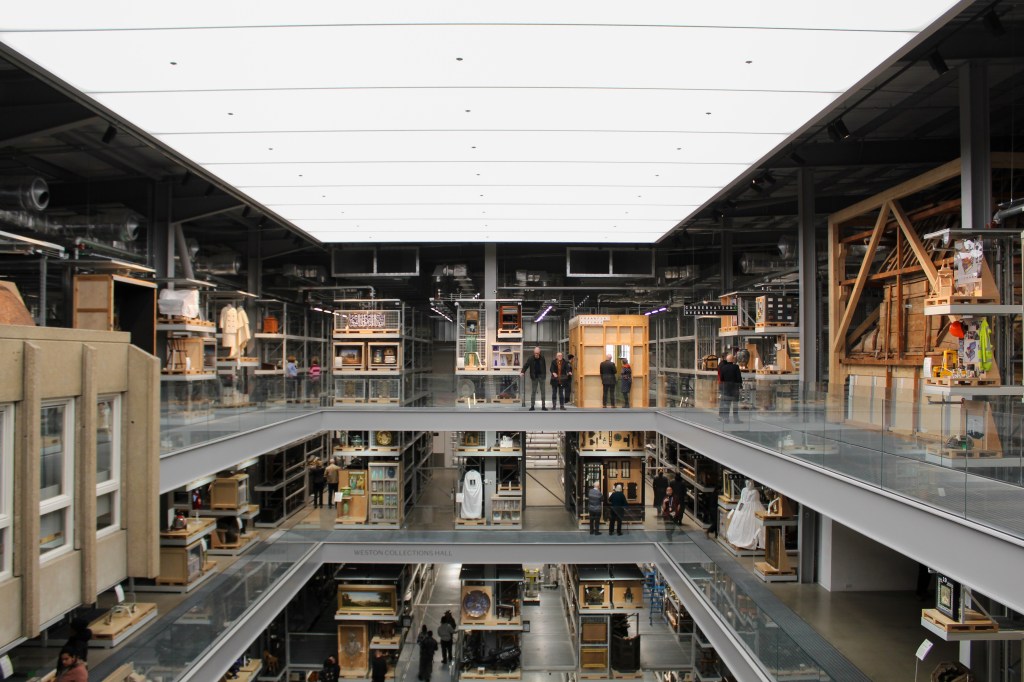
The concept of a museum turned on its head, the V&A Storehouse offers unprecedented access to more than 250,000 objects inside a working warehouse that exists to preserve an epic collection rather than to stage it.
As someone who lives with bipolar disorder and ADHD, I usually enter museums with a carefully considered strategy. I plan routes that feel manageable, aware of how quickly scale, crowds and information can become overwhelming. The reams of text that often accompany objects can feel prescriptive, as though I am being told how to engage, what to think, and what to take away. Combined with historic buildings designed for permanent displays rather than adaptability, it is easy to feel hemmed in, surrounded by people straining to see the same thing at once.
The Storehouse dismantles that experience entirely.
This is the most accessible museum collection I have ever visited.
A purpose-built storage warehouse with public access, its vast walkways are lined with objects that would otherwise remain unseen. Once coats and bags are tucked away in the free lockers, the experience becomes entirely your own. There is no prescribed route, no obligation to see anything in particular, and no pressure to keep moving.
If an object sparks curiosity, QR codes positioned throughout the building allow visitors to dig deeper. If it does not, you simply move on. I found real pleasure in letting instinct take over, wandering without aim and responding only to what caught my attention.
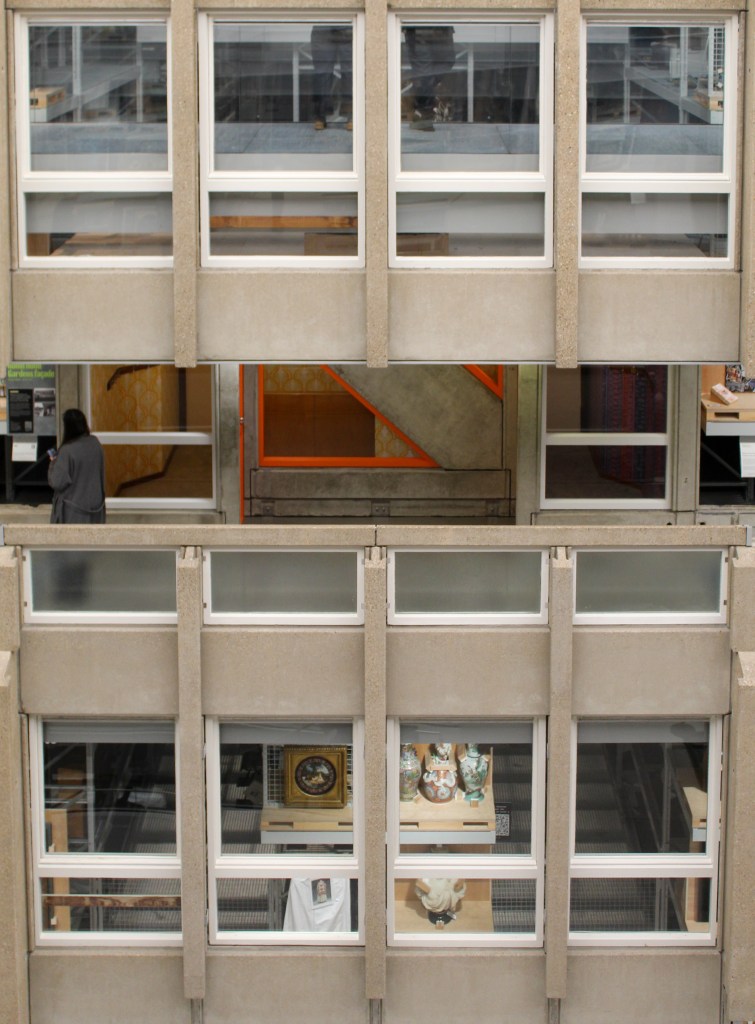
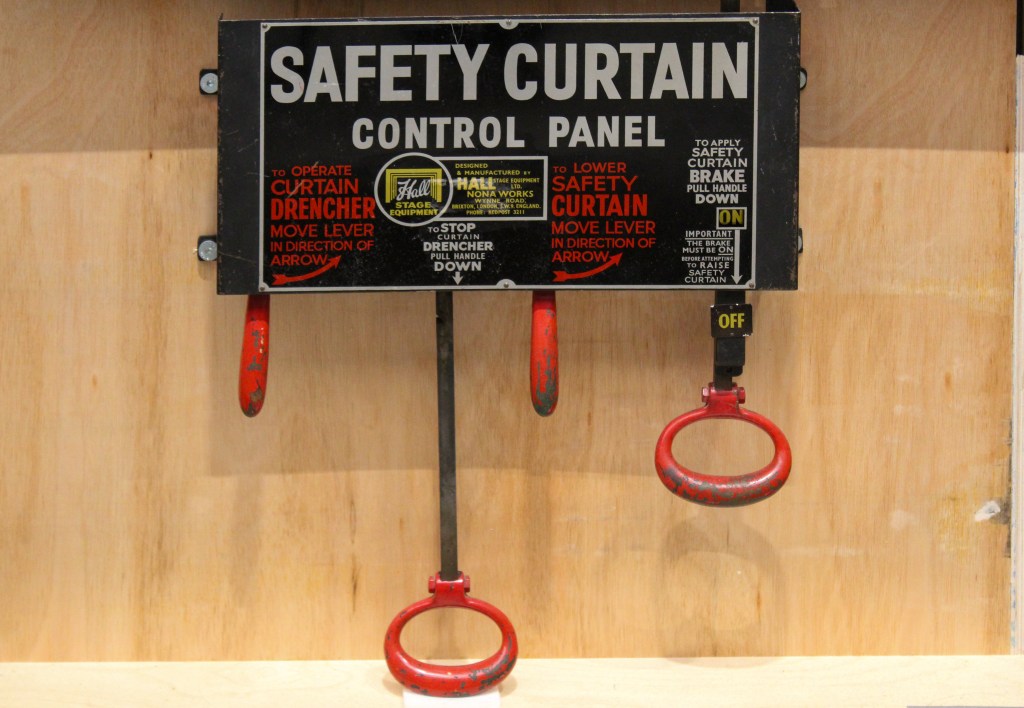
The scale of what is on display is genuinely mind-blowing, yet rather than feeling dwarfed by it, I felt invited in. Objects are sometimes grouped to form small, informal displays, but the greatest joy comes from discovery itself. Turning a corner and finding something unexpected feels less like curation and more like permission.
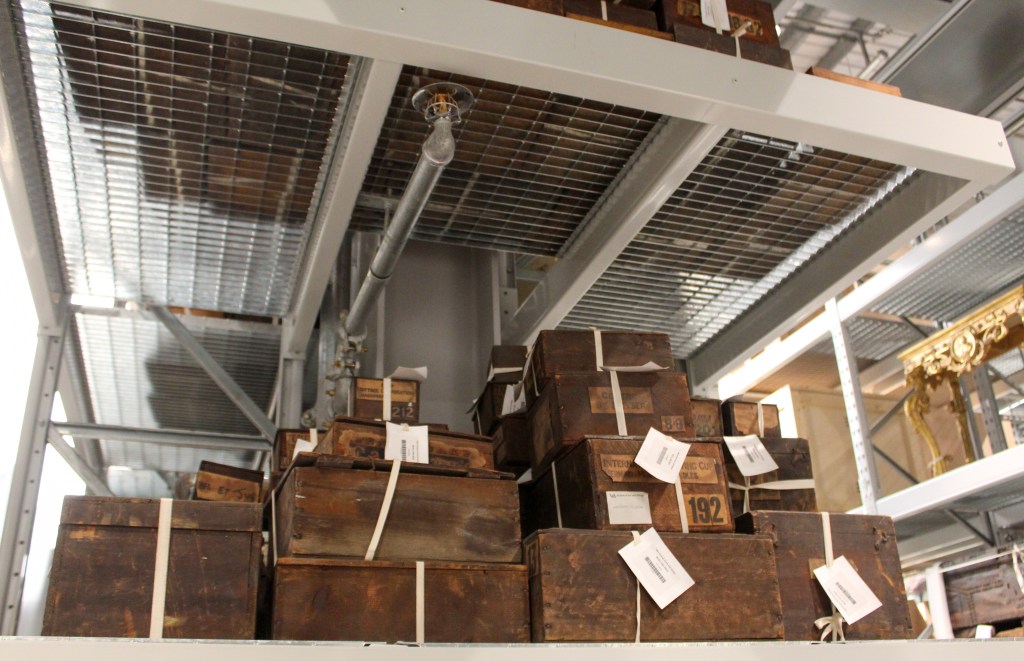
There is an openness to the Storehouse that feels almost illicit, as though you have wandered somewhere you are not quite meant to be. That sense of access creates an experience unlike any other museum I have visited. These light, expansive spaces offer a compelling alternative to darker, enclosed galleries and may well set a precedent for how collections are presented in London and beyond.
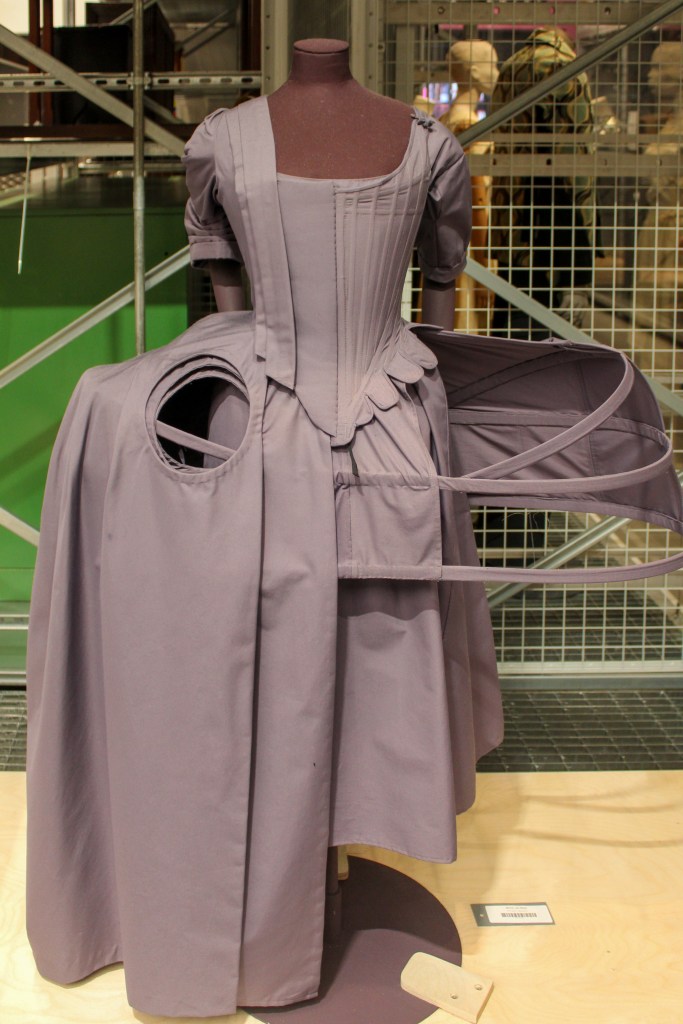
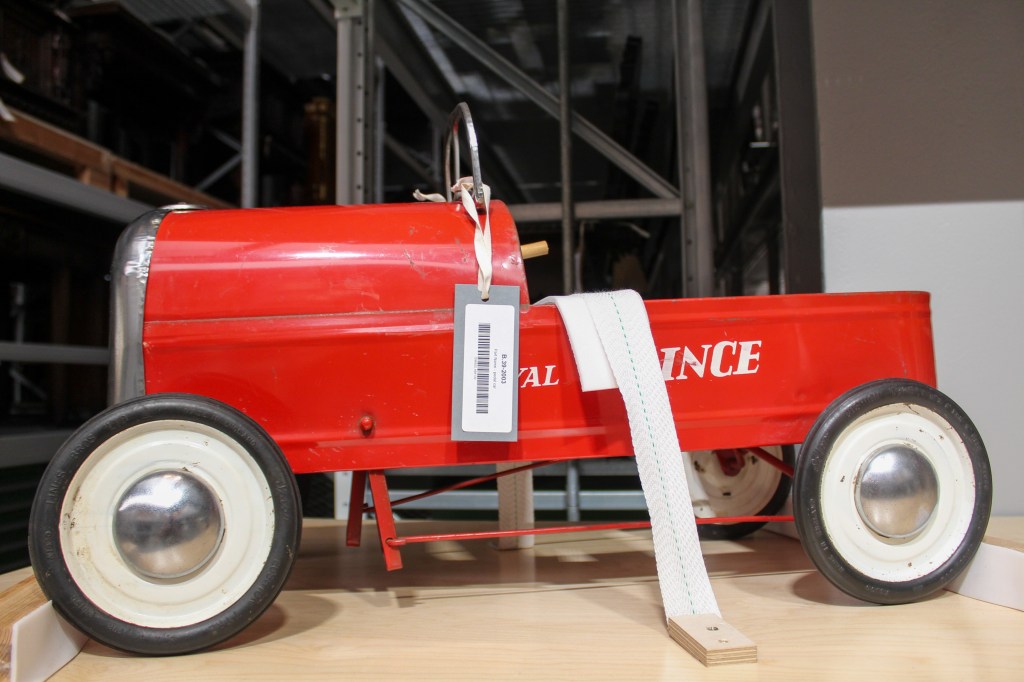
I barely saw half of what was on display during the ninety minutes I spent exploring, yet I left feeling entirely satisfied. It is surprising how much time can be spent with something as simple as a chair, or how arresting it is to encounter a rotary phone, an object I have used myself. Life moves quickly. Objects anchor us to what came before.
The only moment that unsettled me, and this is not a fault of the museum, was the height of some of the walkways, which occasionally made me feel dizzy. Even that physical awareness, though, felt like part of the experience rather than a deterrent.
The V&A Storehouse is free to visit and could very easily justify an admission price of £10 to £15. With a little planning, visitors can also book an object order in advance, allowing rare one-to-one time with a chosen item.
It is a place that rewards curiosity, encourages wandering, and trusts visitors to engage on their own terms.
I will definitely be back.
 Colin Cushion
Leave a comment