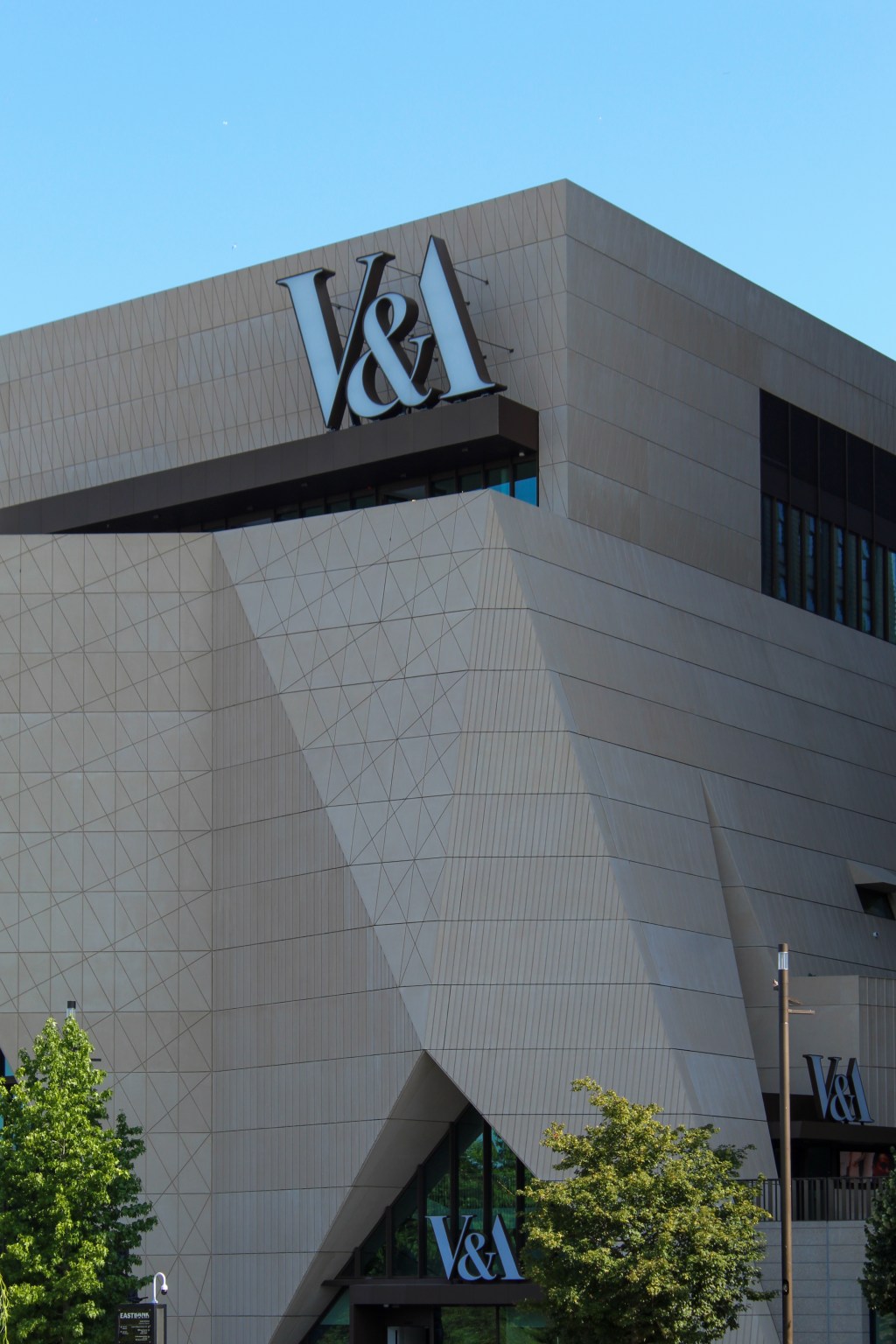
Stratford has long been a place of cultural significance, with Stratford East, formerly the Theatre Royal, and the trailblazing Joan Littlewood helping to shape grassroots British theatre. Today, Sadler’s Wells East and V&A East have joined that legacy, further strengthening the town’s remarkably diverse cultural offering.
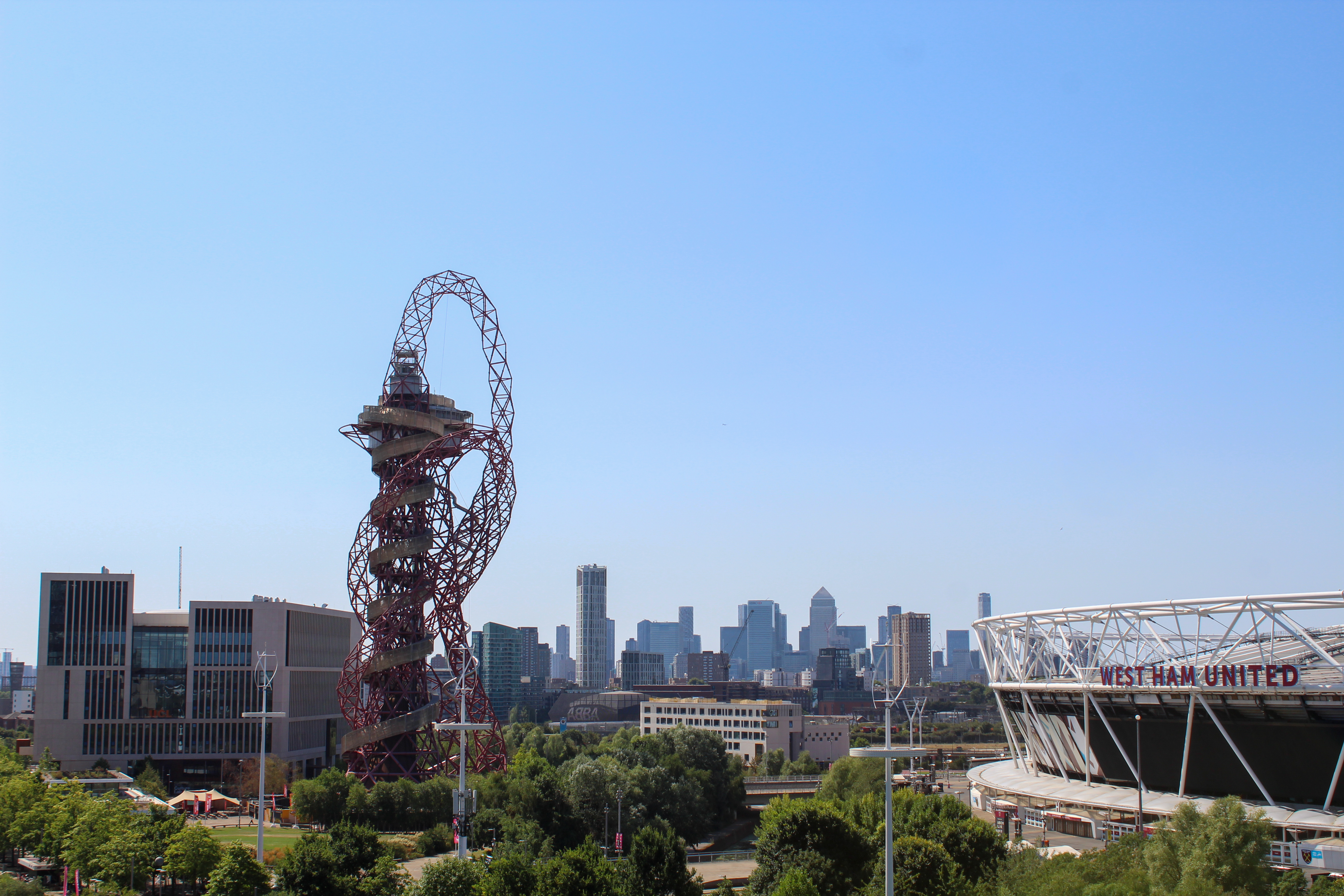
Perhaps I’d never really stopped to take it in properly before, but Queen Elizabeth Olympic Park feels as though it’s entered its most beautiful era yet. The pre-Olympic trees are maturing wonderfully, there’s an incredible array of plants to gander at, and the whole space feels far more inviting, so a walk around the park is worthwhile if you happen to be in the area.
The first of the two V&A museums is to the right of the swimming pool as you face the stadium from Westfield. I love this building. Its generous open spaces are balanced by smaller, more intimate exhibition rooms.
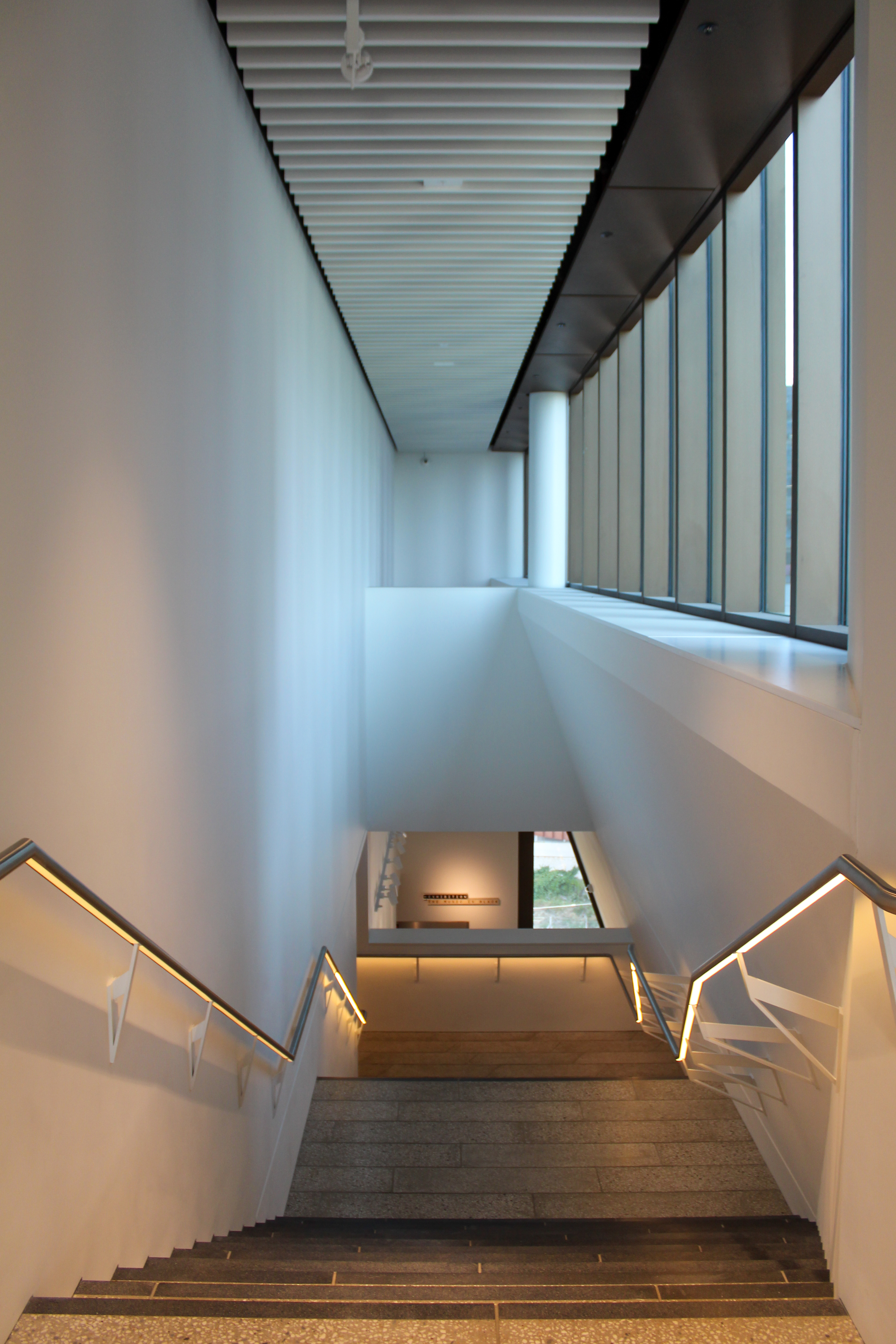
Perhaps somewhat ironically, some of my favourite spaces were actually the stairwells but this may say something about me rather than V&A East.
The experience is largely free-flowing, with the exception of two permanent exhibitions, Why We Make, spread across two floors. Rather than leading visitors through a carefully choreographed narrative, these galleries invite a conversation with creativity itself, exploring how art shapes community, culture, place and time. I struggle to think of a medium that isn’t represented. As someone with ADHD and bipolar disorder, I found myself naturally gravitating towards the ideas and objects that genuinely captured my attention, knowing I could return another day for everything else. Don’t get me wrong, I appreciate a carefully curated narrative too, but there’s something almost radical about not feeling obliged to take it all in at once.
There’s currently a paid exhibition, The Music is Black: A British Story, an immersive sound-led experience exploring 120 years of Black British music history. Tickets range from £9.50 for students to £24.50 at weekends. I didn’t experience the exhibition during my visit, but I’m fascinated by the concept and fully intend to return before it closes in January 2027.
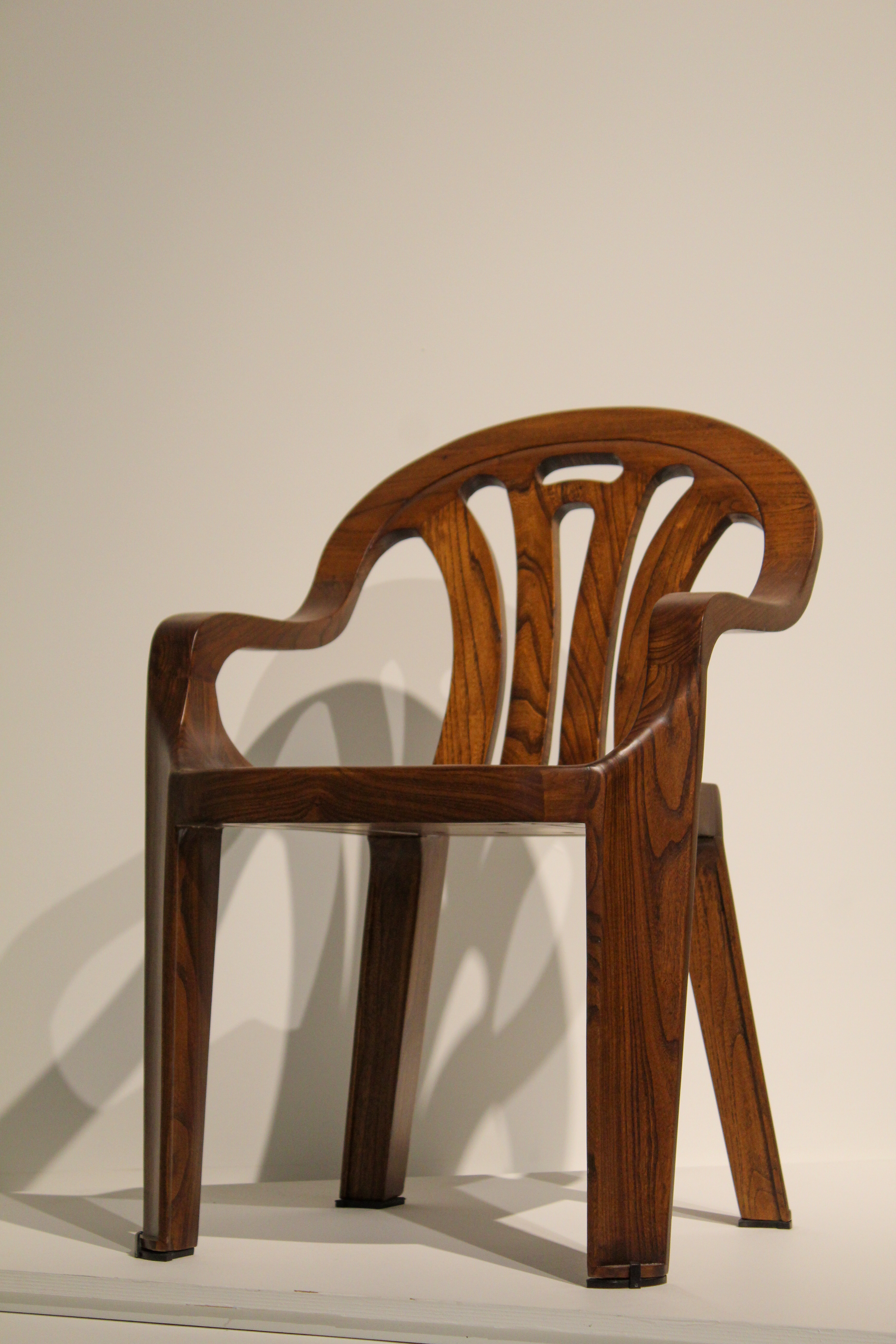
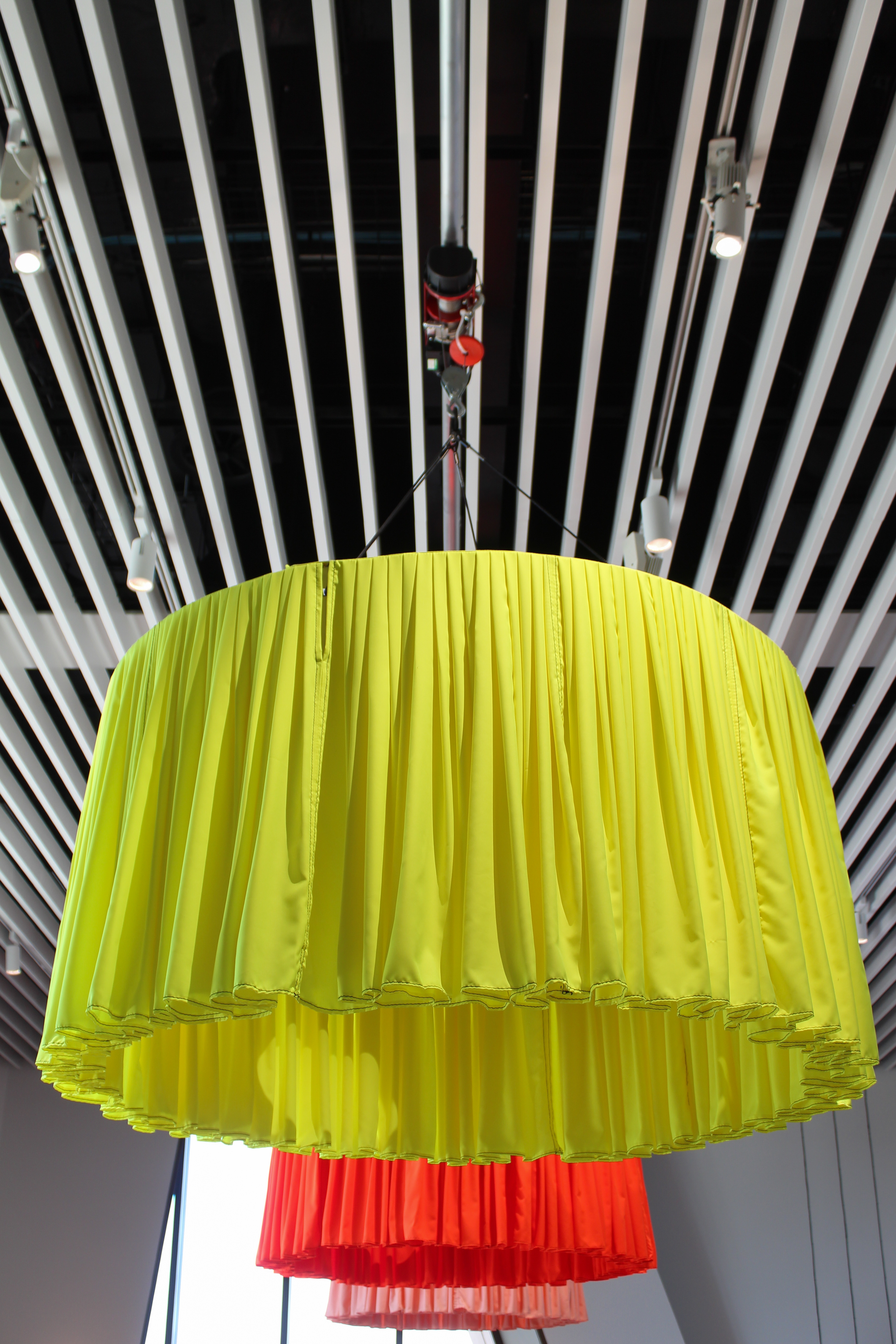
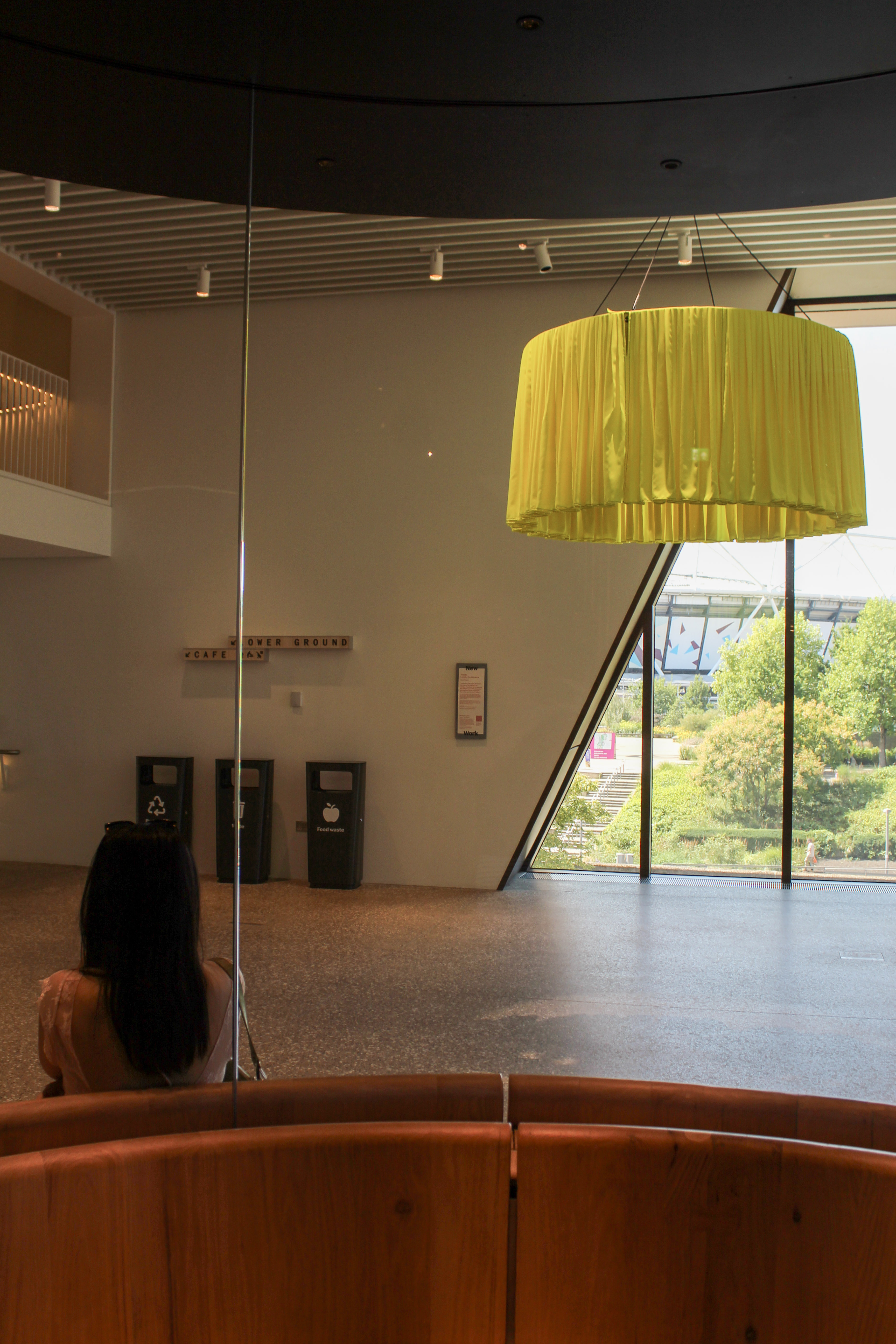
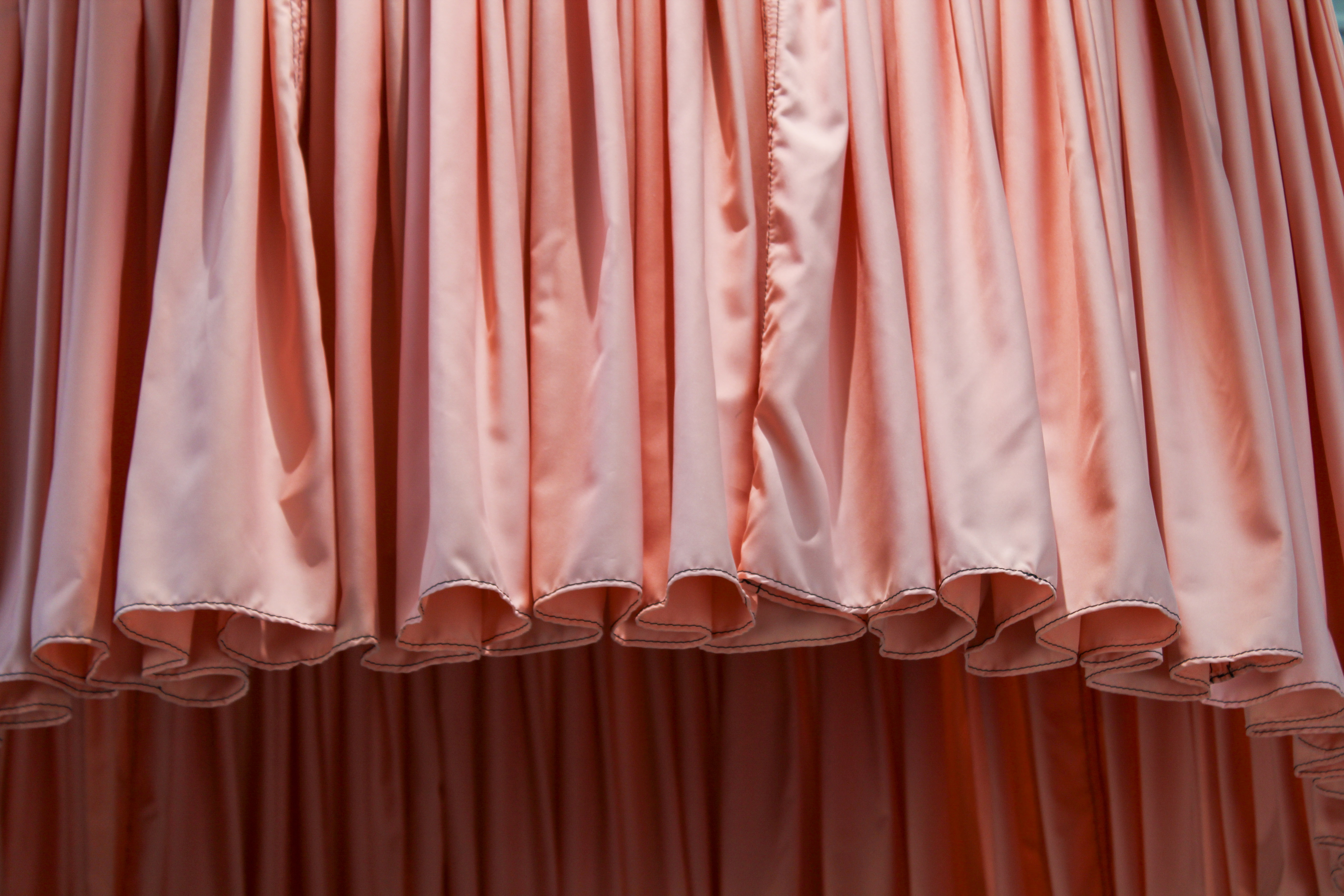
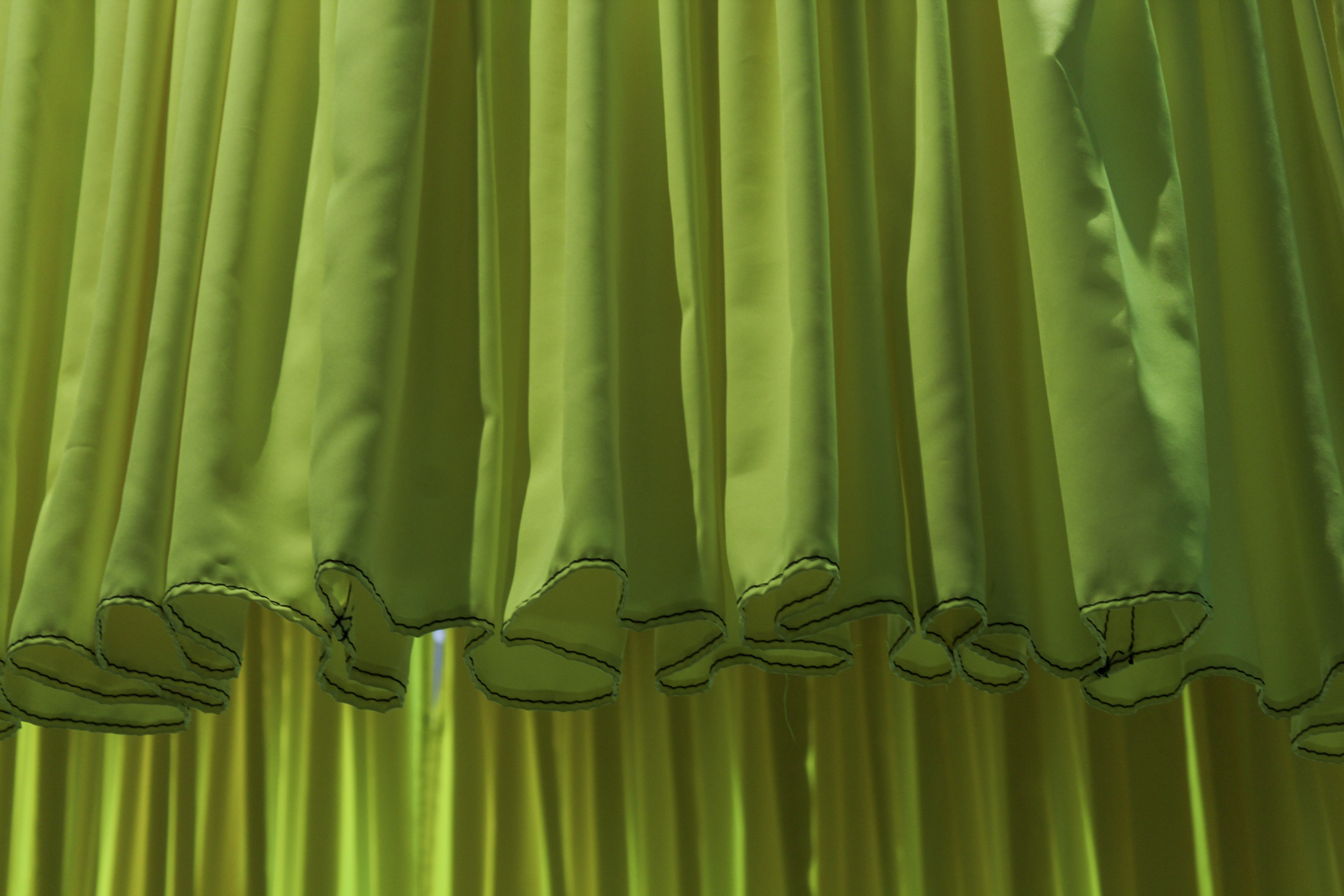
My biggest criticism is that, aside from the Why We Make galleries, there are large areas that feel underused. The vast white spaces are striking at first, but eventually begin to feel clinical. A few more installations, lighting pieces or sculptures would make the building feel less like it’s still waiting to be finished.
Despite my misgivings, it cannot be understated what V&A East brings to Stratford, nearby arts students at UAL, and the wider public by offering free access to a world-class museum.
A short and pleasant walk away through Olympic Park and over the road, you’ll find V&A Storehouse.

Storehouse feels like it gives you permission to let your curiosity and intrigue guide your experience. Well, it does, provided you stow your bag in a free locker. I have visited the space three times, and every time things have moved, mini exhibitions have appeared, and there’s always something that sparks an internal discussion. Or, if you’re not a total loner like myself, a discussion with your friends. You become complicit in the preservation, conservation and display of items that would otherwise have remained closed off from public view. That sensation is intoxicating.
I laughed when I saw a rotary telephone in a museum. Then it hit me. My nan hasn’t had one in her house for twenty years. One day you use something for the very last time, and before you know it, it’s on display as a bona fide artefact.
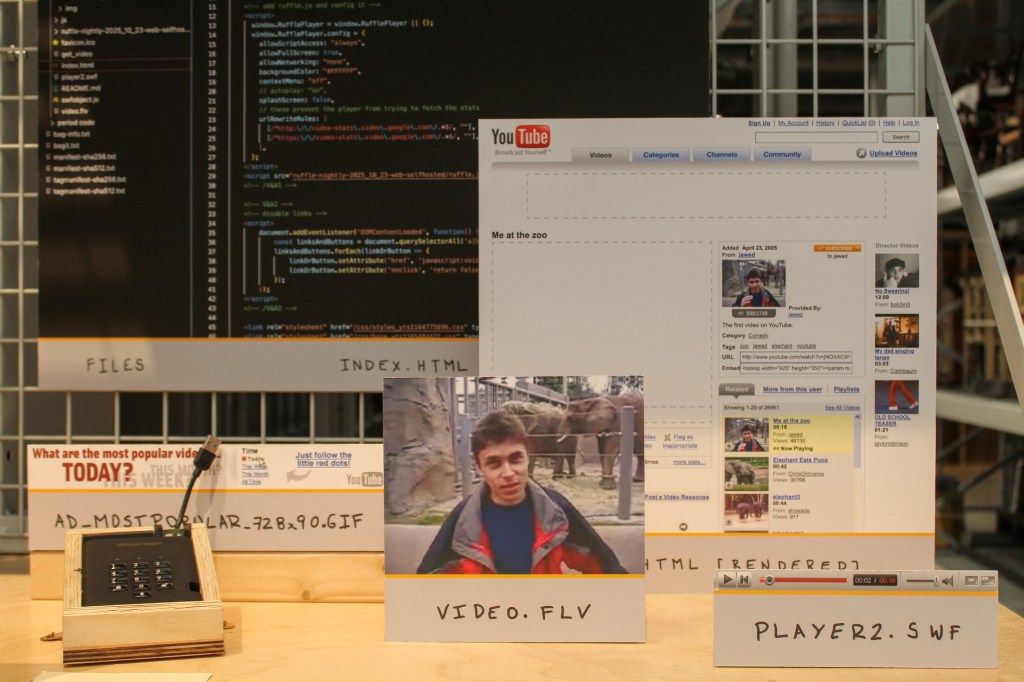
And then there’s… a YouTube video? Sorry, the YouTube video. But how could you possibly…? I took a picture. It’s below.
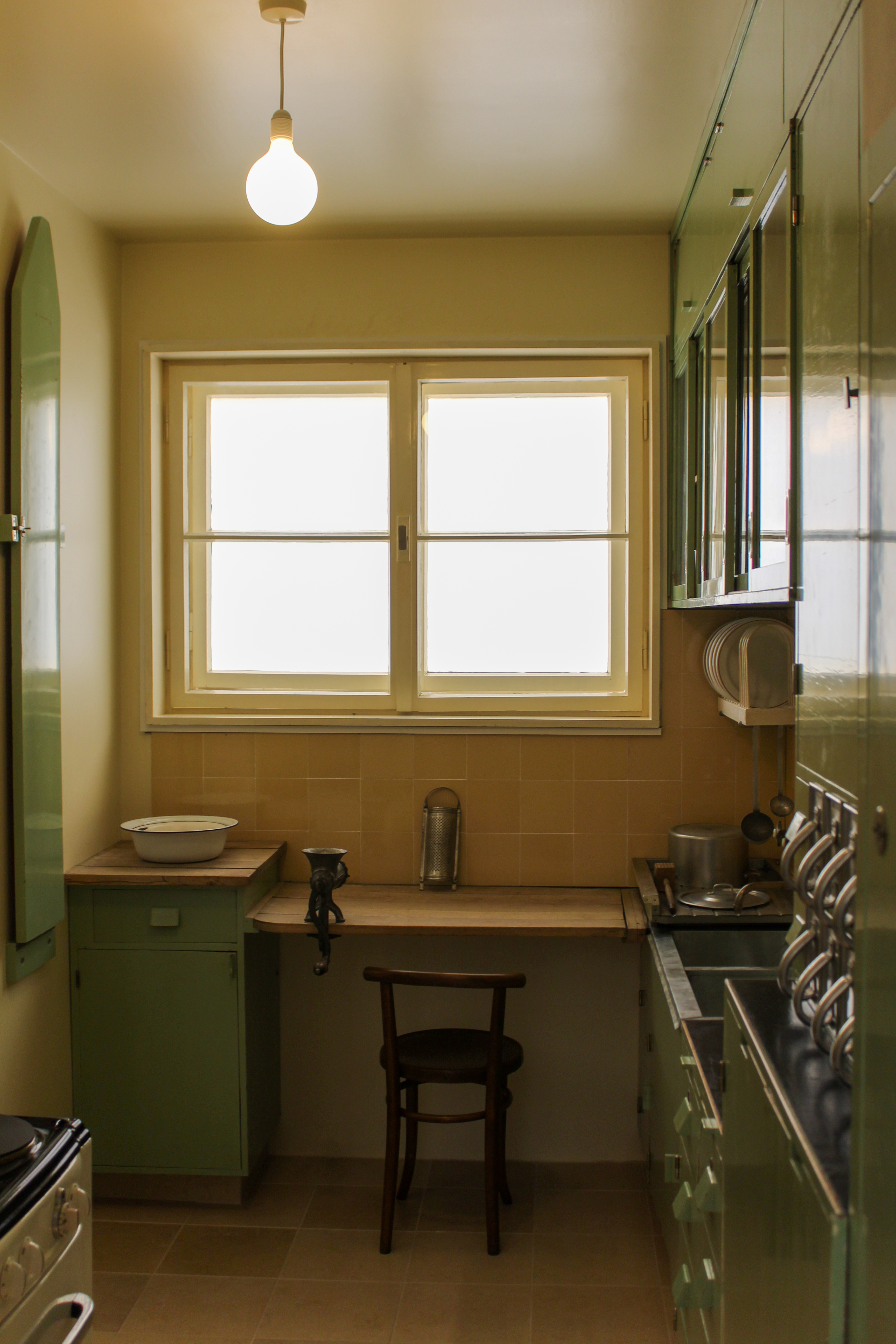
It’s not every day you can marvel at a kitchen, gaze at a chair made entirely of glass, become enthralled by a cafeteria table and chair set, and find yourself slightly terrified by a mannequin. (The pictures are in the gallery below. You’ll understand exactly what I mean.)
Time moves all around you. Objects age, degrade and are restored while the collection itself continues to evolve. That’s something every museum does, but here it feels immediate rather than hidden behind closed doors. I think that’s why the ordinary feels utterly extraordinary.
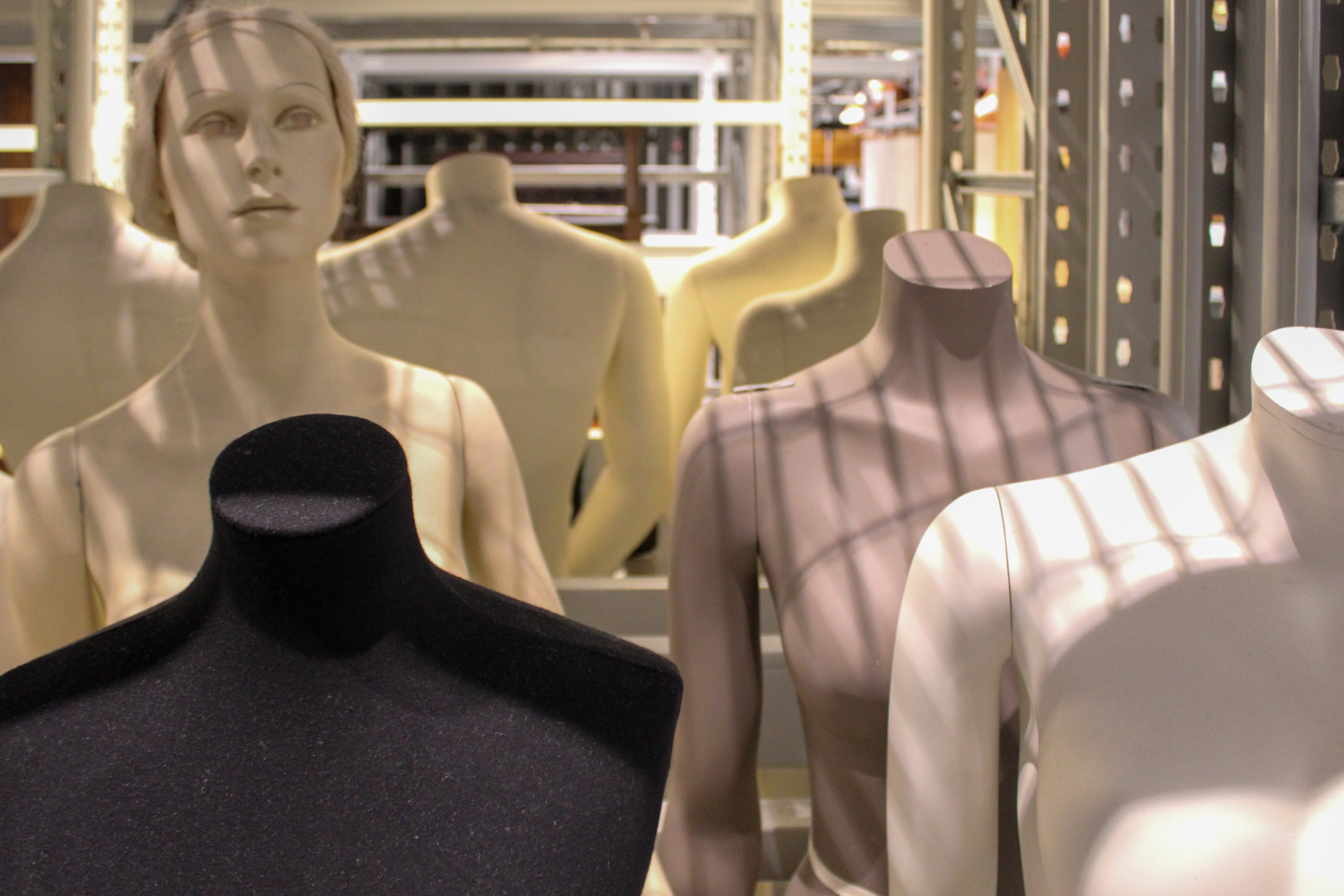
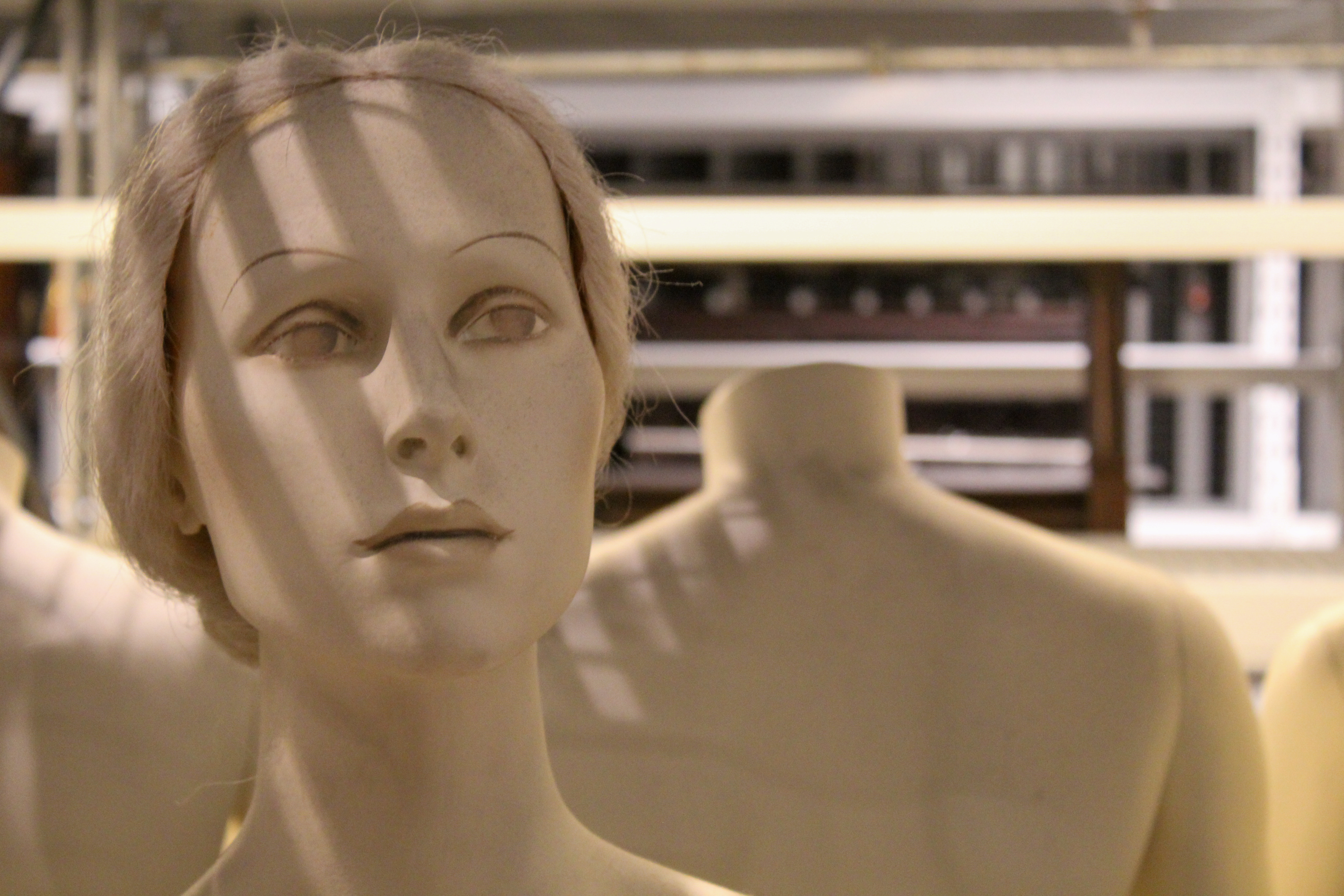
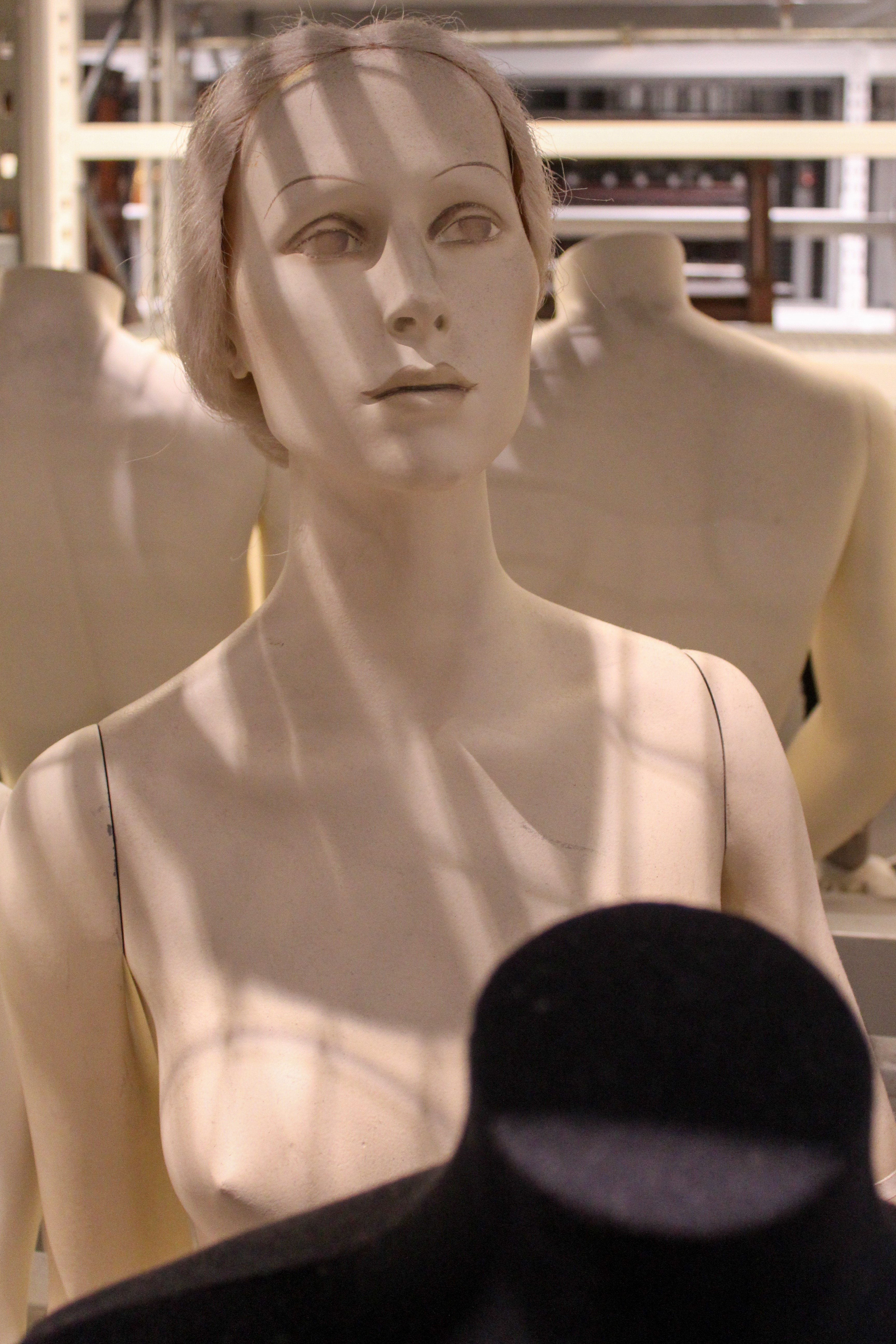
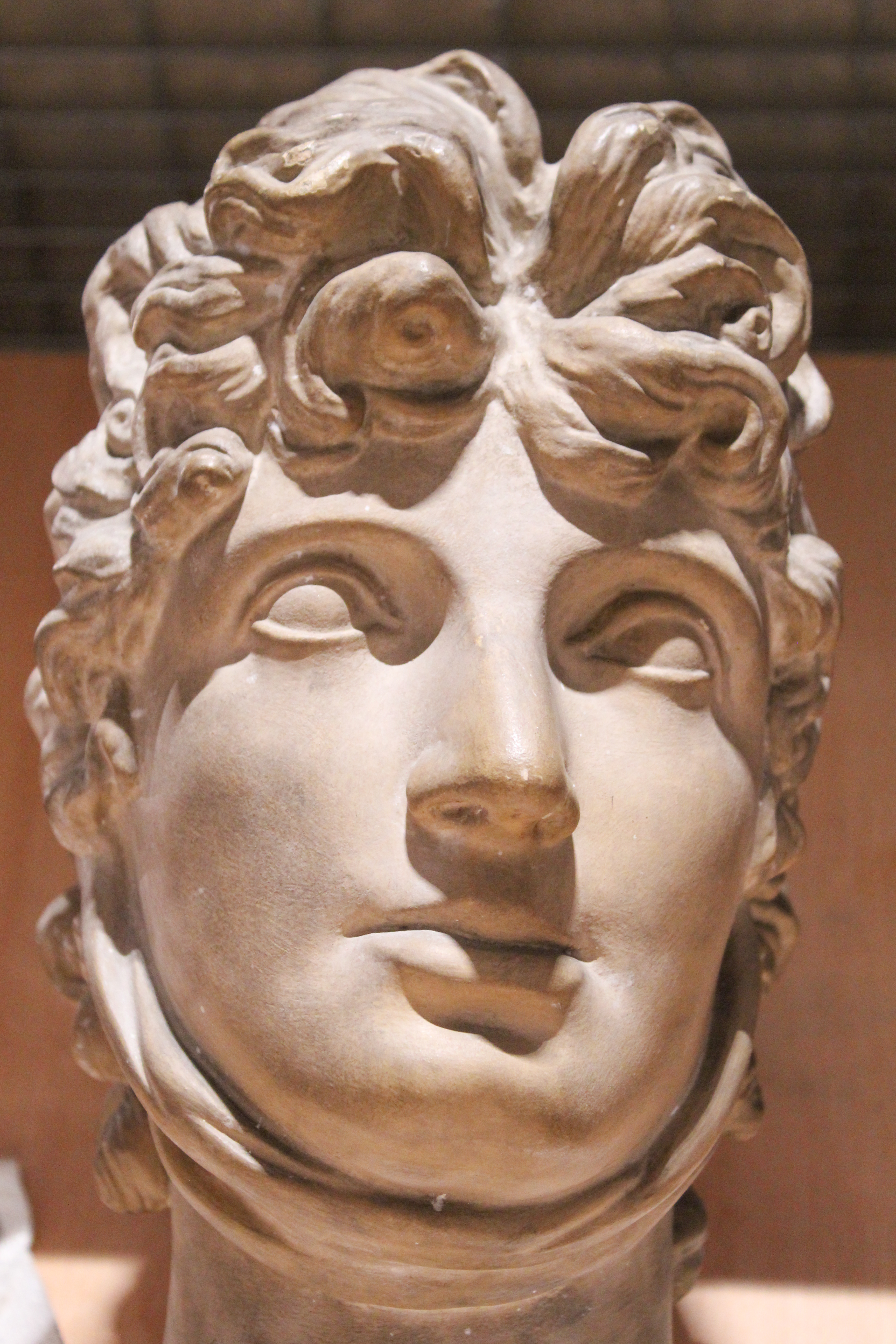
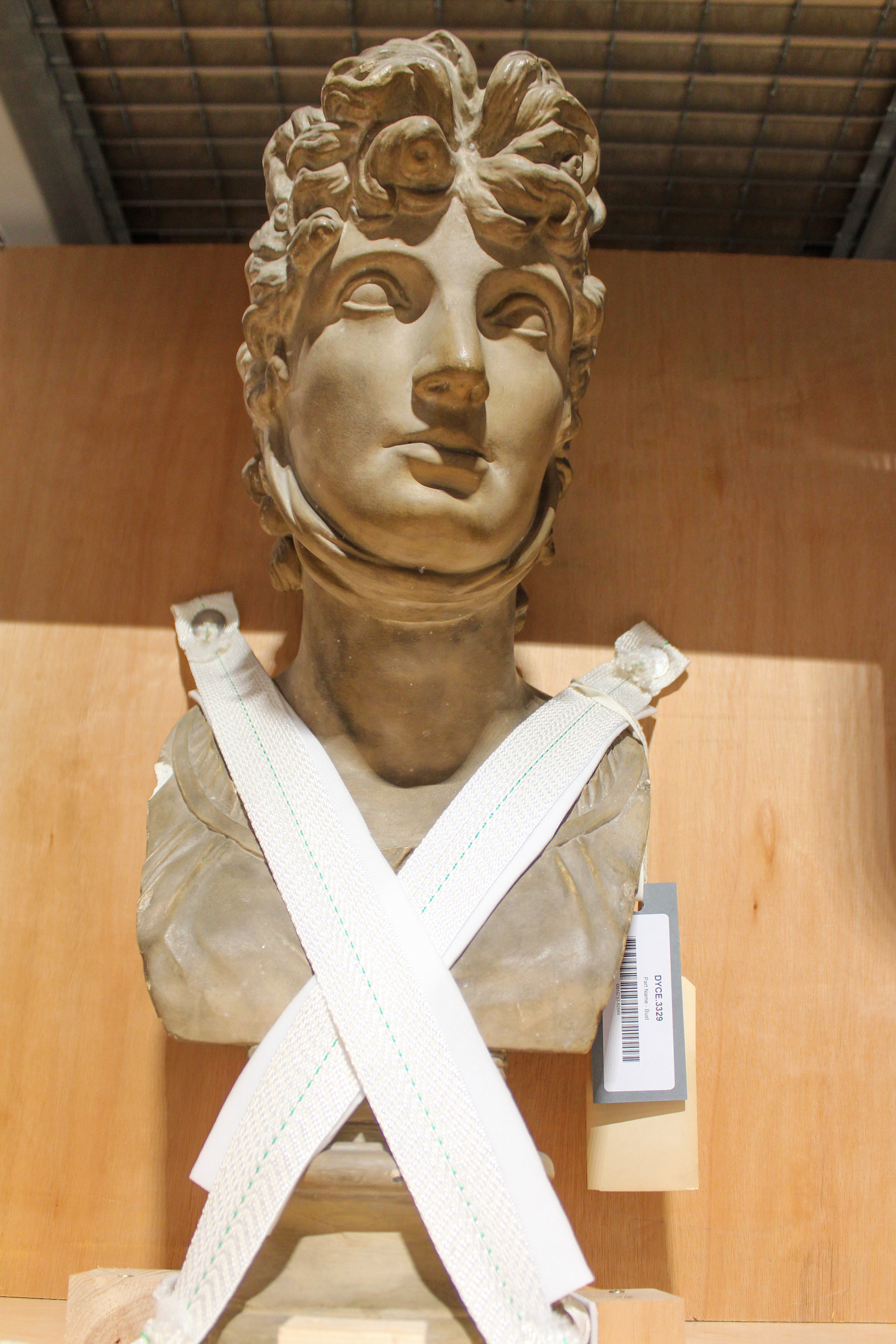
The thing that struck me most on leaving Storehouse was that someone, or more likely a team of people, has the arduous task of deciding what goes where and what shares a space. In a traditional gallery those relationships are carefully curated. In Storehouse, they’re often simply a consequence of storage, yet somehow they create new conversations between the objects all the same.
I find that genuinely fascinating. It made me wonder whether museums have underestimated our curiosity. Perhaps we don’t always need to be guided from one object to the next. Sometimes all it takes is the freedom to make those connections for ourselves.
Then of course there’s two museums for the price of none. You can’t argue with that.
 Colin Cushion
Leave a comment