
From the muddy fields of Shoreditch to the velvet seats of Stratford, East London has shaped British theatre for centuries.
On an average night, around 100,000 people take their seats somewhere in the dark. London remains the centre of UK theatre. Less recognised is that East London, not the West End, laid the foundations for how it is made and experienced.
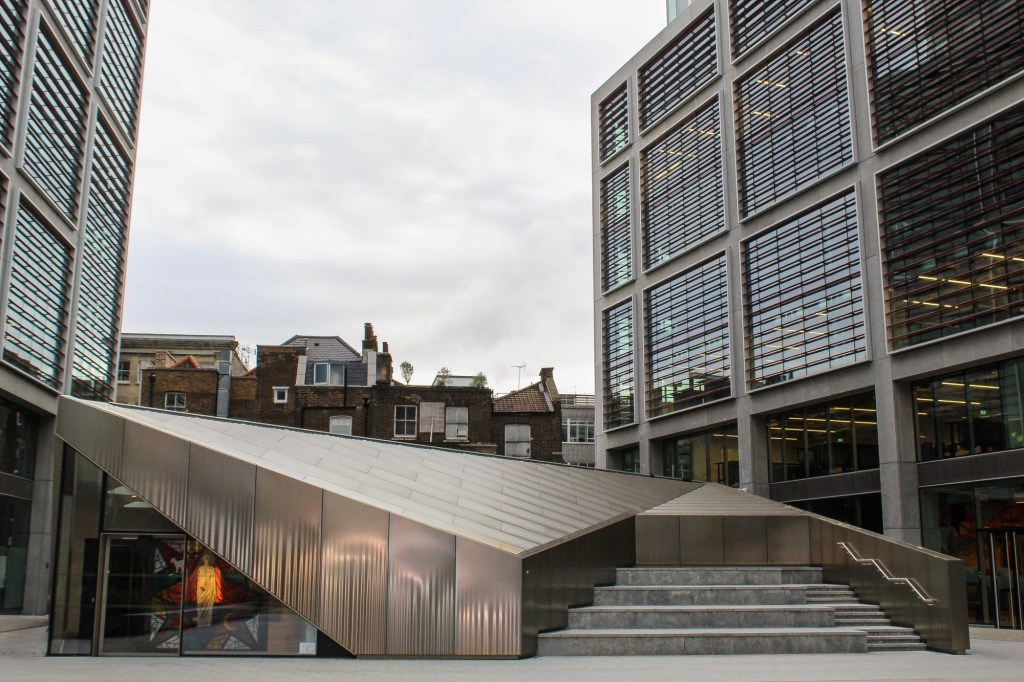
The future Museum of Shakespeare stands on the site of The Theatre in Shoreditch, where professional theatre in England began.
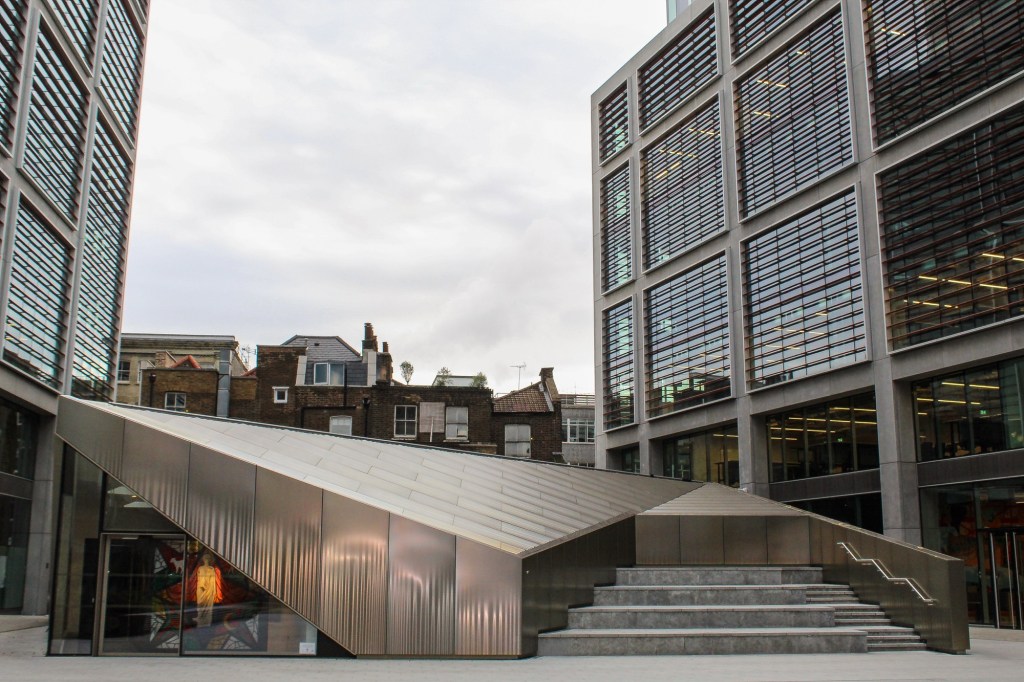
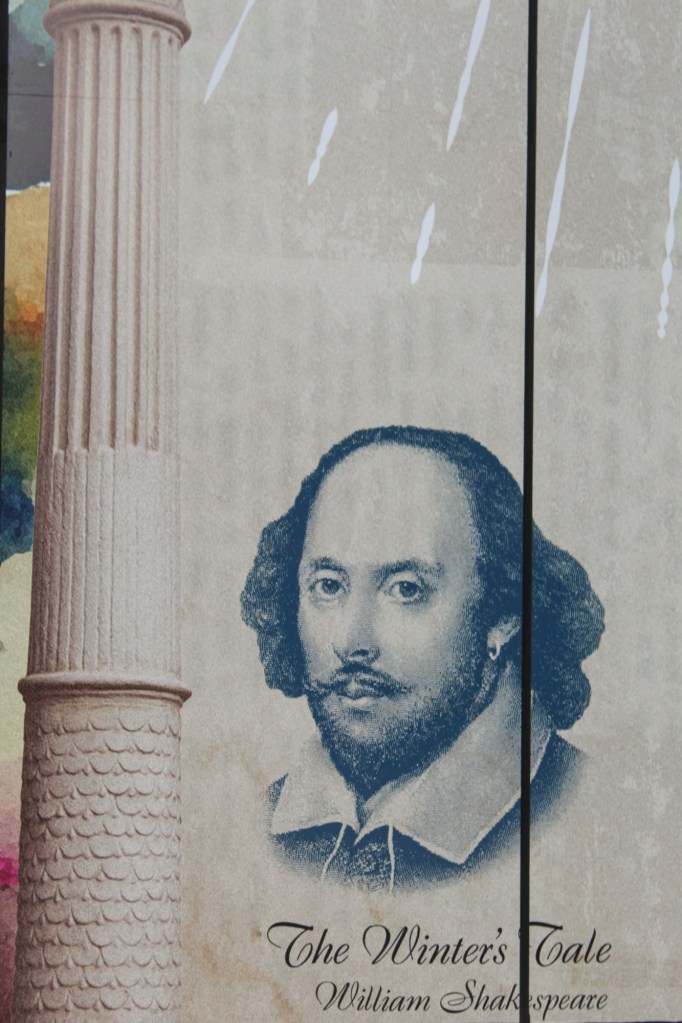
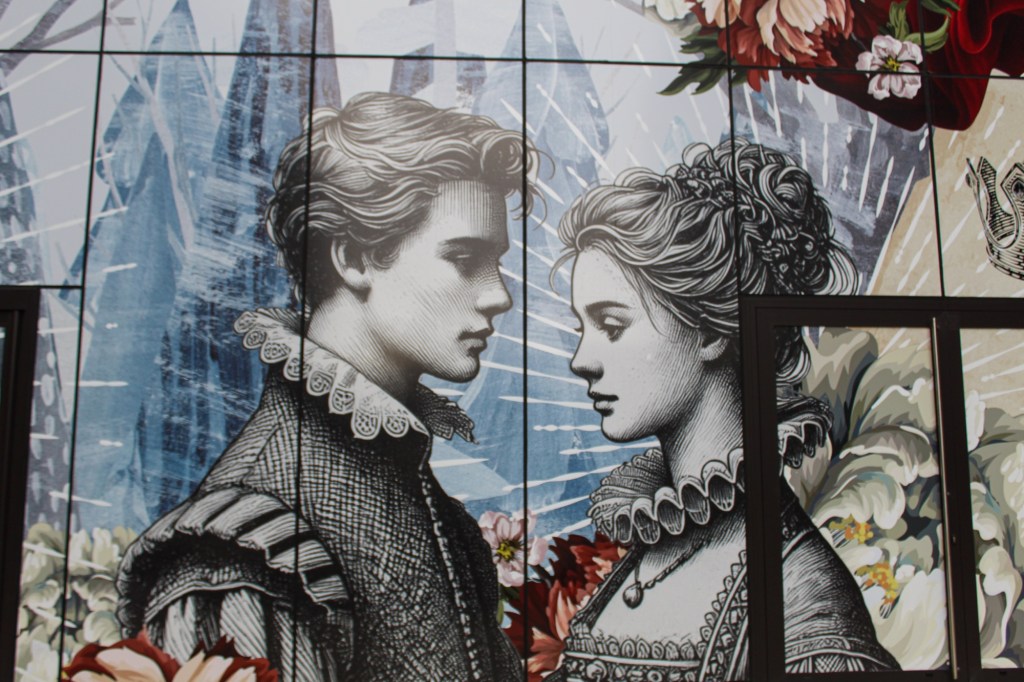
The future home of the Museum of Shakespeare is built on the site of The Theatre in Shoreditch, where professional British theatre began.
It is almost impossible to imagine now. I crossed the open courtyard, the metal slope of the new structure rising beside me, and tried to picture the noise that once filled this ground. In 1598 The Theatre was dismantled after a dispute with its landlord. Its timber was carried across the Thames and used to build The Globe.
Before The Theatre, performances took place in courtyards, inn yards and halls. Actors moved through crowds, competing with noise, drink and distraction. A building dedicated entirely to performance was new.
James Burbage, an actor and joiner, made it real. The Theatre created a fixed space for performance and established the blueprint for the English speaking playhouse.
Standing there, the shift still feels significant. This was where audiences first gathered to watch something unfold before them. Not passing entertainment, but theatre.
The Theatre housed The Earl of Leicester’s Men. While it is not certain whether William Shakespeare performed there, the possibility lingers. A short distance away stood The Curtain Theatre, built a year later. Together they made Shoreditch one of the earliest creative districts in Britain.
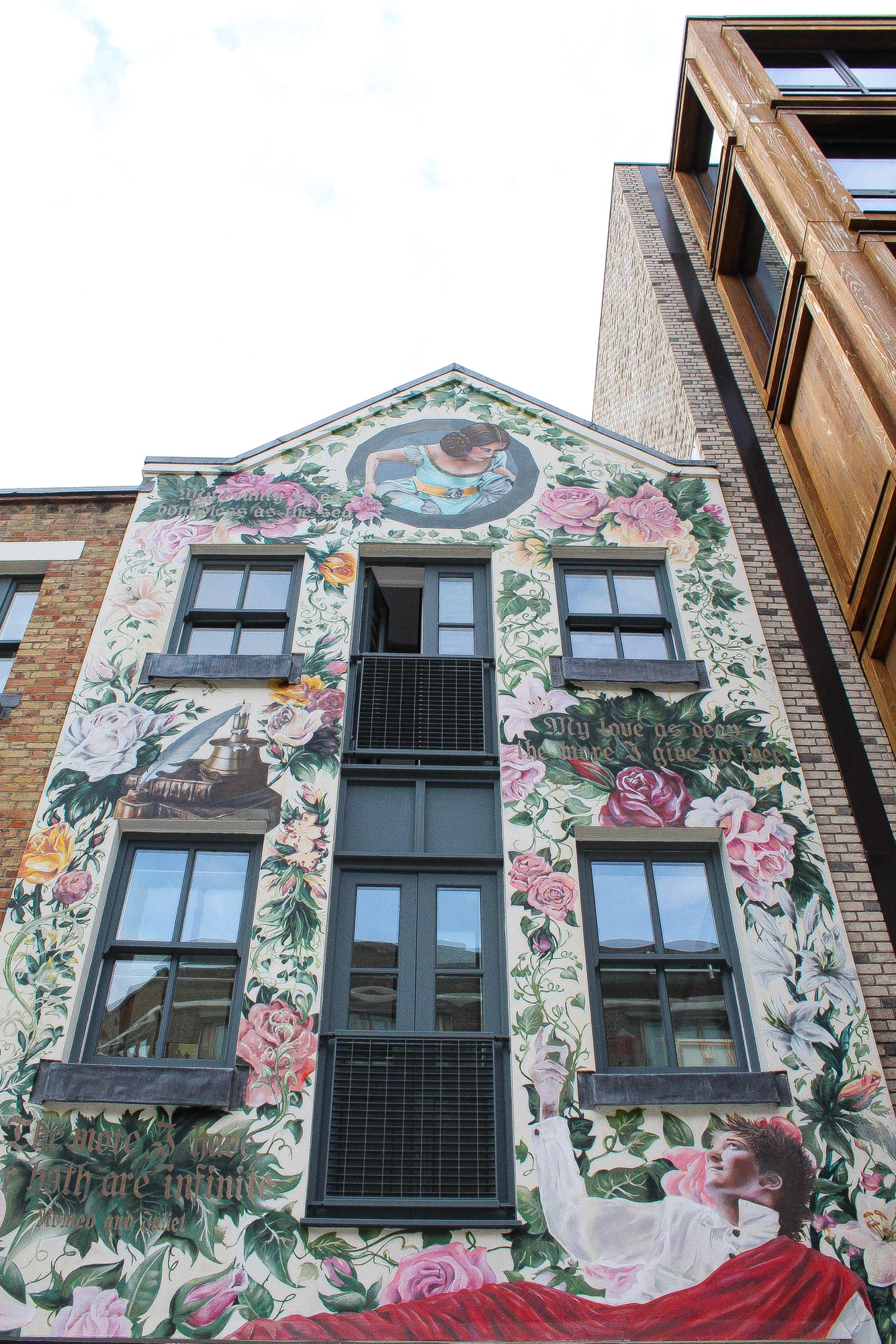
The site of The Curtain Theatre, where Shakespeare’s Romeo and Juliet and Henry V were once performed before the company moved south to The Globe.
The City and the Church tried repeatedly to shut these venues down, citing crime, noise and moral decay. Audiences kept coming anyway.
When theatre moved south to Bankside, Shoreditch receded, its history buried beneath new development. For nearly two centuries, purpose-built performance spaces disappeared from the East.
When they returned, they looked different.
Music halls emerged from pubs and parlours, shaped by the communities around them. They were loud, crowded and immediate, offering songs, comedy and spectacle rooted in everyday life.
Wilton’s Music Hall, opened in the 1850s above an alehouse, still carries that energy. Finding it requires slipping down a narrow alley before the space suddenly reveals itself, peeling paint, creaking galleries, and the sense that it has never fully left the past behind.
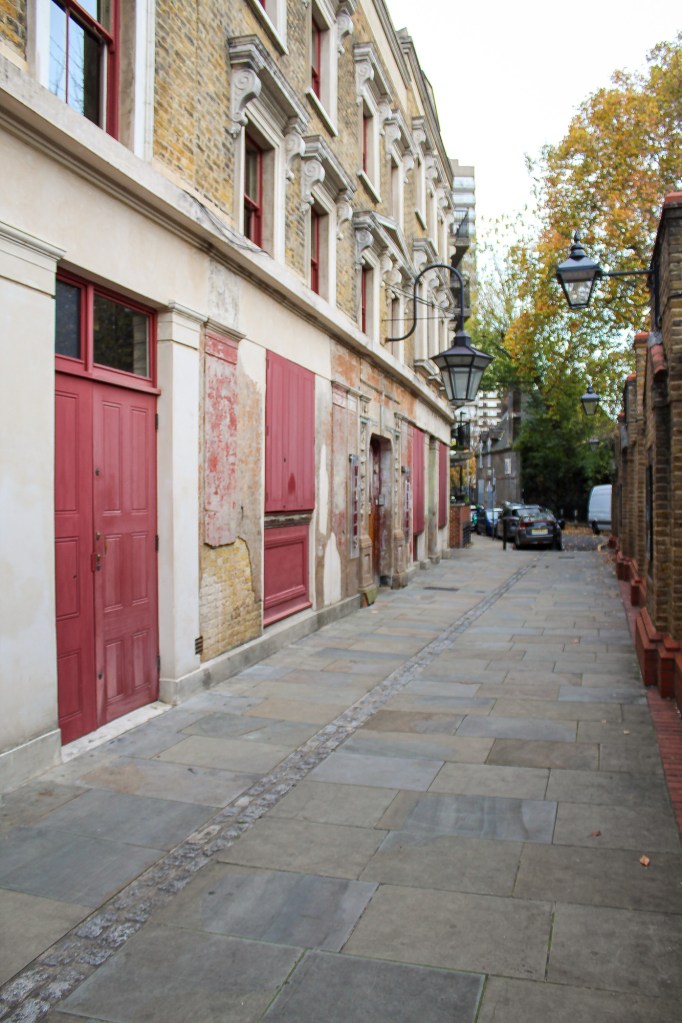
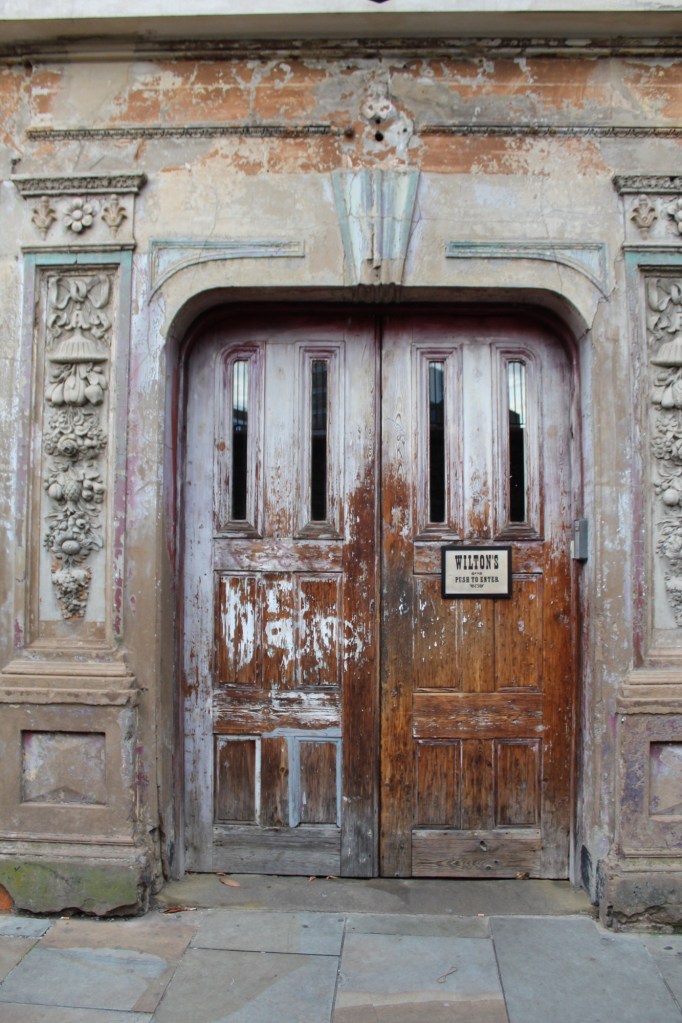
Wilton’s Music Hall off Cable Street, a rare survivor of the Victorian music hall boom and the beating heart of East End entertainment.
Music halls replaced daylight with lamplight and religious drama with popular entertainment, but the exchange between performer and audience remained. Theatre in the East continued to belong to the people around it.
By the early twentieth century, that spirit had scaled up. Hackney Empire, designed by Frank Matcham and opened in 1901, offered grandeur without losing its audience. Charlie Chaplin, Marie Lloyd, Stan Laurel and Oliver Hardy all performed there.
Then came television. Many theatres closed, converted or disappeared. Stratford resisted.
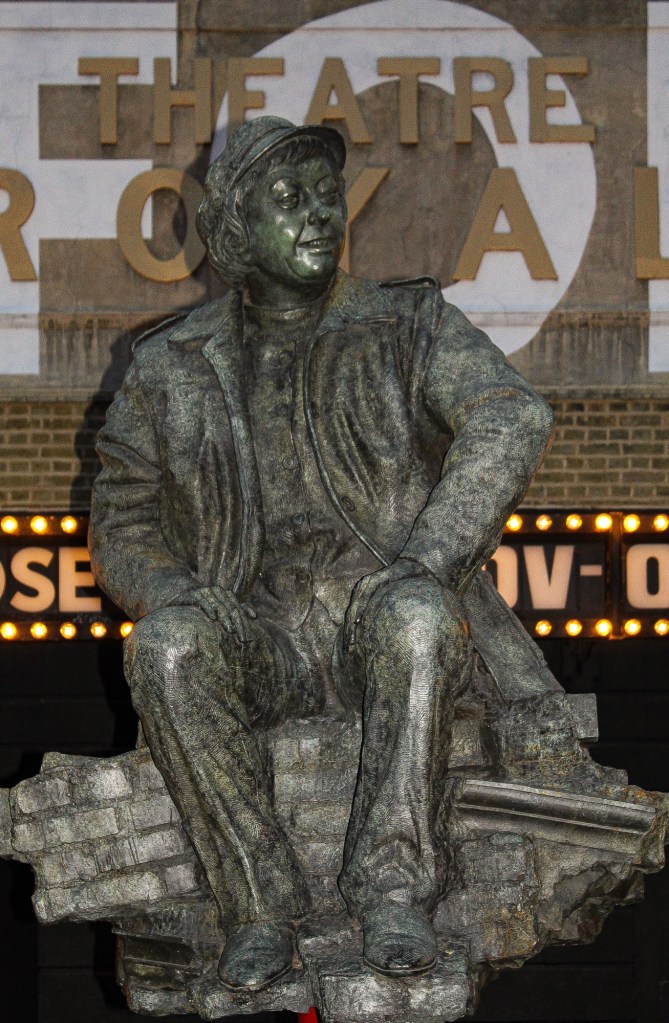
Joan Littlewood outside Theatre Royal Stratford East, the director who reshaped British theatre and returned it to the people.
In 1953, Joan Littlewood and Theatre Workshop took over Theatre Royal Stratford East. She rebuilt it, physically and culturally, insisting that theatre should reflect real lives rather than polished fantasy.
Productions such as A Taste of Honey and Oh What a Lovely War proved that theatre could evolve without losing its connection to its audience.
From Shoreditch to Stratford, the pattern holds. East London theatre has been shaped by the people around it, not imposed from above.
The buildings change. Timber becomes brick, then steel. The purpose remains: a space where stories are shared, argued over and felt together.
With the Museum of Shakespeare set to open, the cycle begins again.
East London did not just host British theatre. It defined it. It continues to shape how it is made, who it is for and why it still matters.
 Colin Cushion
Leave a comment